
Auto Parts Insights & Industry News
Stay informed with the latest trends in the OEM and aftermarket parts market.
From expert tips to repair guides, The Auto Hub helps professionals and drivers keep vehicles performing at their best.
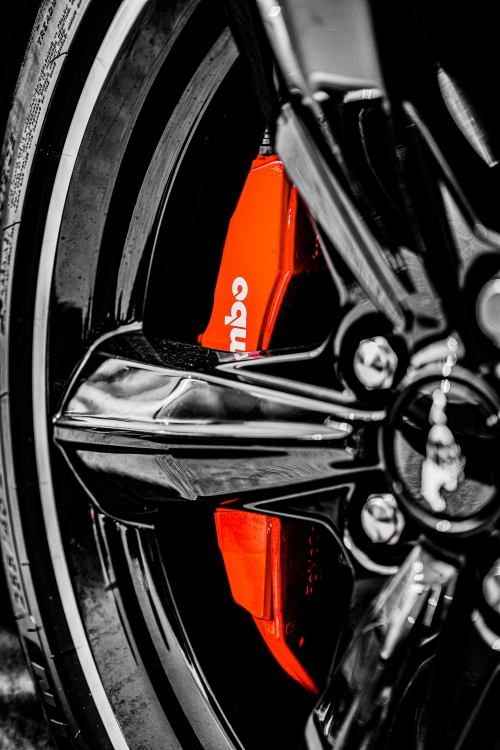
How to Choose the Right Brake Pads for Your Car — A Complete Guide for 2026
Brake pads are one of the most safety-critical components on your vehicle — yet they're also one of the most confusing to shop for. Walk into any parts store (or browse Spareza's catalog of 2M+ parts) and you'll find ceramic, semi-metallic, organic, and OEM options, all at very different price points.
So how do you know which one is right for your car?
OEM vs Aftermarket Parts in 2025 — What’s the Best Choice for Your Car?
One of the most common questions drivers ask in 2025 is simple:
“Should I choose OEM or aftermarket parts for my car?”
With rising prices, global tariffs, and major supply chain shifts, choosing the right type of part now impacts not only performance — but also how much you spend on maintenance.
This guide breaks down the real differences between OEM and aftermarket parts, explains when each option makes sense, and shows how Spareza empowers drivers to choose the best solution for every repair.
Top 10 Aftermarket Car Parts That Save You the Most in 2025
In 2025, car repair costs continue to rise across the US, UAE, Canada, and Africa — driven by higher labor rates, global tariffs, and supply shortages. But one thing hasn’t changed: switching from OEM to high-quality aftermarket parts can still save drivers 40–70% without compromising safety or performance.
This guide highlights the 10 aftermarket parts that offer the biggest savings in 2025, based on real market data and purchasing trends from Spareza’s global catalog.

Why Aftermarket Parts Are the Smart Choice for Mercedes and BMW Owners in 2025
Mercedes-Benz and BMW drivers know the truth: premium cars often come with premium maintenance costs. In 2025, rising OEM prices, global tariffs, and supply delays make it even harder to maintain German vehicles affordably — especially in markets like the UAE, US, EU, and Africa.
But the good news is clear: high-quality aftermarket parts now offer the same performance, engineering precision, and reliability as OEM — often for 40–70% less.
This article explains why more Mercedes and BMW owners are switching to aftermarket, which parts offer the biggest savings, and when OEM still makes sense.